Source Black Textured Vehicle Recovery Winch for Mining, Construction, and Petroleum
Find and compare 30 black textured vehicle recovery winch options for pulling applications in metallurgy, construction, and petroleum sectors. These hydraulic units feature fast operation, explosion-proof designs, and national standard compliance for reliable heavy-duty performance; compare the available evidence and request quotations based on your requirements.
Key considerations
Products List


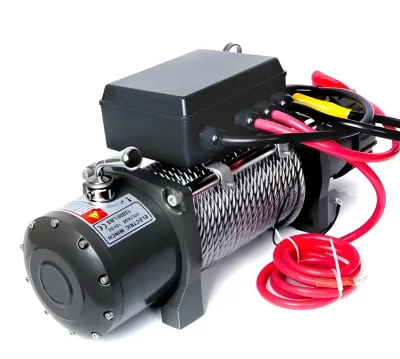


Comprehensive Sourcing Guide
Black Textured Vehicle Recovery Winch Sourcing Guide
Procuring a black textured vehicle recovery winch requires distinguishing between general hydraulic pullers and specialized recovery units designed for heavy-duty metallurgy, construction, and petroleum applications. The observed market data indicates a diverse range of models, including the JP-40 and JP 100 series, which feature hydraulic driven types and specific tonnage capacities ranging from 3T to 20T. Buyers must carefully align their specific recovery needs with these observed specifications, as the "black textured" finish often correlates with industrial-grade durability rather than a universal aesthetic standard across all listed units.
When evaluating listings, it is critical to verify that the product attributes match the intended operational environment, such as the requirement for explosion-proof and insulating features in hazardous zones. The supply chain for these units frequently originates from regions like Jining and Shandong, with varying packing standards including plywood cases and wooden boxes. Sourcing decisions should prioritize units that explicitly state their carrying capacity levels, whether they are weight, special weight, or middle-level, to ensure the winch can safely handle the intended load without exceeding its rated limits.
Product Scope and Observed Listing Signals
The product scope for vehicle recovery winches in this dataset spans from compact 3-ton units to heavy-duty 20-ton hydraulic systems, with specific models like the JP-40 offering a pull force of 39kN and a rope speed of 6.5m/Min. Buyers should note that while some listings specify a "running mode" of stationary, others may imply different operational dynamics, necessitating a direct confirmation of the driven type and reduction ratio, such as the observed 23:1 ratio, to ensure compatibility with existing vehicle recovery setups.
Listing signals often include specific motor specifications, such as the use of China Top Brand Motors, and detailed rope parameters like an 11mm diameter with a 25m capacity. However, the presence of a "black textured" description should not be assumed to be a standard feature for every unit; instead, buyers must verify if the finish is a specific coating or a standard industrial paint. The observed price range of 1 to 150,000 USD reflects this vast disparity in capacity and complexity, requiring a clear definition of the minimum order quantity, which is frequently listed as 1 piece, to facilitate initial procurement trials.
Technical Specifications to Verify
Technical verification must begin with the rated flow and pressure parameters, as the observed data cites a rated flow of 40L/Min and a pressure of 16MPa for specific hydraulic winch models. These figures are critical for ensuring the winch integrates correctly with the vehicle's hydraulic system or external power source. Buyers should also scrutinize the motor model, such as the observed Model 80, and confirm that the automatic grade, described as semi-automatic in some listings, aligns with the desired level of operational control and safety interlocks for the recovery task.
Further verification is required for the physical dimensions and weight, as the dataset includes standards ranging from 45kg to 47.5kg for specific units, alongside volume standards like 0.18 CBM and 0.6 CBM. The carrying capacity is another vital metric, with listings distinguishing between weight levels, special weight levels, and middle-level capacities. Ensuring that the rope diameter and capacity match the specific recovery scenario is essential, as a mismatch could lead to premature failure or unsafe operating conditions during high-stress extraction events.
Compliance and Safety Documentation
Compliance documentation for these industrial winches typically includes certifications such as ISO, CE, RoHS, GS, and SGS, which serve as indicators of adherence to international safety and quality benchmarks. Buyers must request specific test reports and certification documents that validate the explosion-proof and insulating features, particularly if the winch is intended for use in petroleum or metallurgical environments where hazardous conditions are prevalent. The presence of these certifications should be verified against the specific model number to ensure that the safety features are not merely generic claims but are applicable to the exact unit being purchased.
Safety standards also extend to the construction and material integrity of the winch, with some listings referencing National Standards and nonstandard configurations. It is imperative to confirm that the product meets the relevant national standards for the destination country, as the observed data mentions "National Standards" without specifying the exact code. Additionally, the condition of the product, often listed as "New," should be accompanied by a warranty statement and a clear explanation of the testing procedures used to verify the structural integrity of the hydraulic components and the drum classification.
Cost Drivers and Commercial Terms
The cost of a vehicle recovery winch is heavily influenced by its tonnage capacity, hydraulic pressure rating, and the quality of the motor used, with prices observed ranging from nominal amounts to over 150,000 USD. Buyers should understand that higher tonnage units, such as the 20T models, and those with specialized features like explosion-proofing, command a premium due to the increased material and engineering requirements. The packing method, whether a plywood case, wooden case, or three-ply board, also contributes to the final landed cost, especially when considering international shipping logistics and the need for robust protection during transit.
Commercial terms often include a minimum order quantity of 1 piece, which allows for flexible procurement but may impact the per-unit price if bulk discounts are not available. Lead times and production schedules can vary based on the customization availability, which is noted as a feature in the observed data. Buyers should negotiate clear terms regarding the delivery of the plywood or wooden case packaging and ensure that the cost includes all necessary documentation for customs clearance, particularly when sourcing from origins like Jining, Shandong, or general China locations.
Supplier Qualification and Quality Control
Supplier qualification should focus on verifying the origin of the product, with observed data pointing to manufacturers in Jining, Shandong, and broader China regions. Buyers must assess the supplier's ability to provide consistent quality control, especially given the variation in product standards and the availability of customization. It is essential to confirm that the supplier has a track record of meeting the specific certification requirements, such as ISO and SGS, and that they can provide evidence of their manufacturing processes for hydraulic winches used in demanding sectors like construction and petroleum.
Quality control measures should include a pre-shipment inspection that verifies the motor model, reduction ratio, and rope specifications against the purchase order. The observed data highlights a "semi-automatic" grade, which requires specific testing to ensure the automation functions correctly and safely. Buyers should also inspect the packing quality, ensuring that the plywood or wooden cases are sufficient to protect the winch from damage during transit, and verify that the product condition is indeed new and free from any manufacturing defects before final acceptance.
Long-Term Procurement Checks
Long-term procurement success depends on establishing a reliable supply chain for spare parts and maintenance support, particularly for hydraulic components like the motor and pump systems. Buyers should verify the availability of replacement parts for the specific motor model and reduction ratio observed in the initial purchase, as these components are subject to wear and tear during heavy recovery operations. Ensuring that the supplier can provide technical support and replacement parts for the semi-automatic features is crucial for minimizing downtime and maintaining operational efficiency over the lifespan of the equipment.
Regular audits of the supplier's quality control processes and adherence to the agreed-upon standards, such as National Standards and specific certification requirements, are necessary to maintain product integrity. Buyers should also monitor the consistency of the carrying capacity and rope specifications across multiple orders to ensure that the winches continue to meet the required performance levels. Establishing a clear communication channel for reporting any issues with the explosion-proof or insulating features will help in quickly addressing any safety concerns and maintaining compliance with industry regulations.
FAQs
How much pulling force does a hydraulic recovery winch provide?
Listed hydraulic models provide a rated pull of 39kN, suitable for most vehicle recovery and pulling tasks. Actual usable force depends on hydraulic pressure, which is rated at 16MPa, and flow, rated at 40L per minute. Confirm that the pressure and flow of your vehicle or power unit match these winch requirements before ordering.
What rope size and rope capacity do these recovery winches use?
The listed JP-40 hydraulic winch uses an 11mm diameter rope with a rope capacity of 25m on the drum. This capacity covers most standard vehicle recovery scenarios, but buyers needing longer pulls should request customization, which is available. Always match rope diameter to the rated pull to avoid overloading the line during heavy recovery work.
Can I order a single unit or is there a minimum order quantity?
The minimum order quantity is 1PCS, so buyers can order a single winch for testing or evaluation before committing to larger volumes. This suits workshops and distributors who want to verify performance first. Customization is also available, so you can request specification changes even on small trial orders before scaling up purchases.
How is the winch packed for shipping?
Winches are packed in a plywood case or wooden case, with some listings using three-ply board packaging. This protects the unit from impact and moisture during sea or land freight. Buyers with special packing needs can discuss options, since customization is available. Confirm the packing format with the supplier when arranging shipping to your destination port.
What certifications do these vehicle recovery winches carry?
Listed products carry ISO and CE certification, with some listings also referencing ISO RoHS and GS. Certification matters for import compliance and insurance in many markets. Ask suppliers for current certificate copies before ordering, since documentation should be verified per shipment. These credentials support procurement audits and help meet national standards requirements in your market.
Where are these hydraulic recovery winches manufactured?
The listed winches originate from Shandong, with Jining shown as the origin for several models. Shandong is a recognized production base for hydraulic pulling and lifting equipment, offering buyers a concentrated choice of factories. When comparing candidates, confirm the actual manufacturing location and export experience, as product pages list origin but not every facility detail.
What is the operating speed of the hydraulic winch?
The listed JP-40 model offers a rope speed of 6.5m per minute, with the product family described as having fast speed. This speed suits controlled vehicle recovery where steady, precise line handling matters more than raw speed. Hydraulic drive allows stable speed under load, but actual pace varies with your hydraulic system pressure and flow output.
Can the winch be customized for special applications?
Customization is available on the listed product family. Buyers can request changes to specifications such as rope capacity, mounting arrangement, or tonnage level, since listings cover weights from 3T to 20T. Explosion-proof and insulating features are also offered on certain models. Discuss your application details with the supplier to confirm feasibility before placing the order.